What Is a Skillcation? Learn a Local Skill While Traveling
Discover skillcations: trips built around learning local skills, from cooking and crafts to surfing. Choose a workshop that connects you with a place.
By @lanik.sloth - 17 Oct 2026
Picture: Alesia Kozik

What Is a Skillcation?
A skillcation is a trip built partly or entirely around learning a skill. You might spend a week learning to surf, join a cooking workshop during a city break, or take a photography lesson while exploring somewhere new.
The word combines “skill” and “vacation,” and you may also see the term “skilliday.” The idea is straightforward: make time to learn from someone who knows their craft, and let that experience become part of how you discover a place.
You can start small. One afternoon, one patient teacher and something you’ve always wanted to try are enough.
Why are skillcations becoming popular?
Learning gives a trip a different rhythm. You spend time with someone, ask questions and work through something unfamiliar. An ingredient, a movement or a technique becomes a reason to pay closer attention.
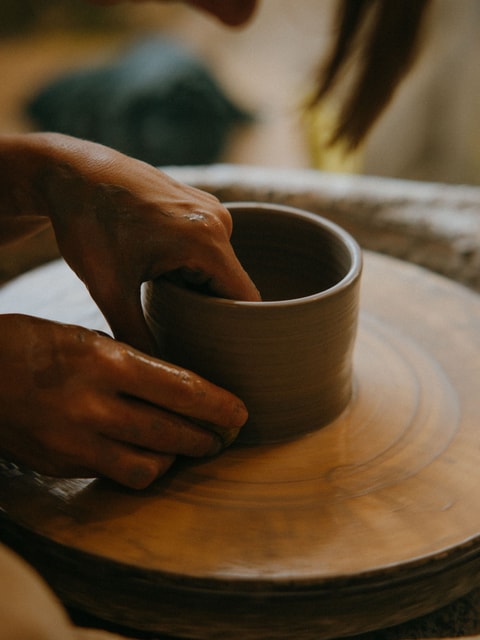 Photo by KoolShootersThere is growing interest in this kind of travel. In a survey published in July 2026, Mastercard found that 48% of more than 27,000 holidaymakers surveyed across 28 European countries planned to learn a skill during their holiday. Languages, cooking, crafts and creative arts were among the interests.
Bookings offer another indication. Tripadvisor reported that craft-class bookings on its platform increased by 88% in the first half of 2026 compared with the same period in 2025.
These findings describe different groups and measures: one captures travel intentions, while the other tracks bookings on a particular platform. Together, they suggest an appetite for taking part in the places people visit.
Sources: Mastercard’s skilliday survey and Tripadvisor’s mid-year experiences report.
What could you learn on a skillcation?
Start with something you are curious about. It might be a hobby you already enjoy, a local tradition you want to understand, or a skill you have never had the opportunity to try.
Cooking and food traditions
A cooking class can introduce you to ingredients, techniques and everyday habits that are difficult to understand from a menu alone. You might practice shaping dough, preparing a sauce or balancing unfamiliar spices.
Look for a description that explains what you will prepare yourself. A useful question is whether you will receive a recipe or notes you can follow at home.
Crafts and creative skills
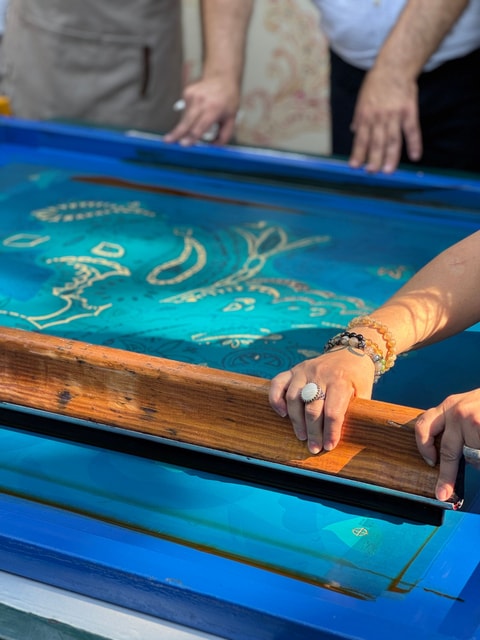 Photo by Orhan BaysalPottery, weaving, printmaking, drawing and photography all offer ways to learn through practice.
The connection to the place matters, too. A host might explain where materials come from, how a technique developed, or how they use it in their own work. Ask about their practice rather than expecting one person to represent an entire culture.
For physical crafts, check what happens to your finished work. Ceramics, for example, may need drying and firing after the session, so collection or delivery could affect your plans.
Surfing, movement and outdoor skills
A surf lesson, dance class or introduction to outdoor navigation can give your trip a clear learning focus.
Choose instruction suited to your experience, fitness and comfort level. For activities involving physical risk, check the instructor’s qualifications, safety arrangements, equipment and any prerequisites before booking.
Weather-dependent activities deserve some flexibility in your itinerary. Leave time for the host to explain conditions and how these could affect the session.
Language and conversation
Learning a few useful phrases can change everyday interactions, from ordering lunch to asking a question at a market.
A short lesson with a local teacher can help you practice pronunciation and understand when particular expressions are appropriate. Give yourself a small goal, such as introducing yourself or holding a simple conversation.
How to choose a good skillcation experience
Before choosing a class, decide what you want from it. A relaxed introduction, a social afternoon and several days of focused practice each call for a different kind of session.
Look for a clear learning outcome
Ask: What will I have the chance to practice by the end?
“Prepare one regional dish” or “practice your camera’s manual settings” tells you more than a promise of an unforgettable experience. Treat the outcome as a realistic goal, with room for beginners to progress at different speeds.
Check how much you will actually do
A demonstration can be interesting, but it offers a different experience from making something yourself.
Find out whether participants share equipment, work individually or take turns. Group size and the amount of guided practice can make a difference, especially if you want personal feedback.
Read the practical details
Check the language of instruction, meeting point, duration and total price. Look for information about materials, equipment, transport and anything you need to bring.
Mention relevant dietary needs, accessibility requirements or previous experience before booking. Read the cancellation terms and, for outdoor sessions, ask how unsuitable conditions are handled.
Add one learning experience to a trip
A skillcation can fit around a destination you already want to visit. Choose one session and give it enough space in the day.
Imagine a short city break with a cooking workshop on the second morning. Leave time to reach the venue without rushing, enjoy the class and have a relaxed afternoon afterward. Later, you could revisit an ingredient you learned about or try ordering the dish in a restaurant.
The same approach works with photography: take a lesson early in your stay, then leave time to practice during your remaining days.
For a more demanding skill, consider a sequence of lessons. Ask the instructor what is realistic for the time you have and whether rest or practice days would help.
Give yourself permission to be a beginner
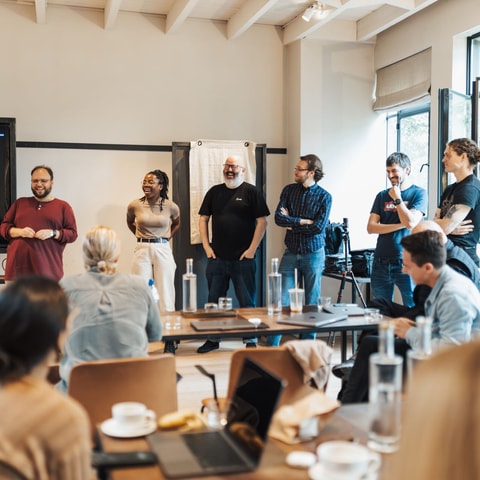 Photo by Matheus Bertelli
You may spend a pottery session learning to control the clay. Your first surf lesson may focus on positioning, safety and getting comfortable with the board. That is useful progress.
Choose a session where questions and mistakes are welcome. Let the host know what you hope to learn, listen to their guidance and ask before photographing people, workspaces or techniques.
You can also ask how to keep practicing afterward. A recipe, a short exercise or a suggestion for your next lesson can help you continue once you are home.
Start with something you want to try
Think of one thing that has caught your attention while traveling: how a dish is made, how someone works with a material, or how a movement feels.
Build a little time around that curiosity. You may discover a hobby you want to pursue, meet someone whose work changes how you see a place, or simply enjoy spending an afternoon learning.
Did you enjoy this post? Please support us by sharing it!