Is Nomad Burnout Real? Routine, Community and Rest
Nomad burnout can turn freedom into exhaustion. Learn how routine, community, rest and slower travel can make life on the road more sustainable.
By @shakanomad - 12 Nov 2026
Picture: Hasan Gulec

You wake up in a new country, open your laptop and look outside. The weather is beautiful. There's a beach nearby, a few cafés you haven't tried and plenty of places to explore. This is exactly the life you wanted.
So why do you feel so tired?
Eventually, even travel can start to feel like administration.
Buy a SIM card. Find accommodation. Check the Wi-Fi. Learn the neighborhood. Locate a supermarket. Work. Pack. Move. Repeat.
Yes, the exhaustion behind what people call nomad burnout is real. The World Health Organization defines burnout specifically in relation to chronic workplace stress. For people living on the road, exhaustion can also come from frequent travel, loneliness, poor sleep, and having to organize almost every aspect of daily life. And sometimes, all of those things happen together.
The good news is that you don't necessarily have to give up traveling. You may just need to find a different rhythm.
Why Can Nomad Life Become Exhausting?
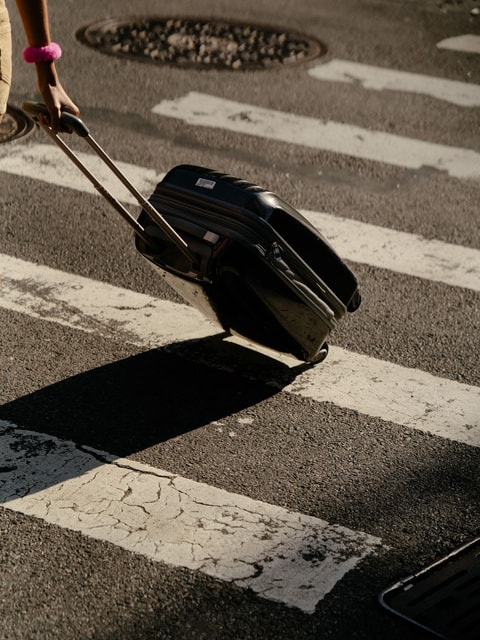
At first, everything feels exciting—even the small things. Buying groceries in another language or working from a café with a completely different view can make an ordinary Tuesday memorable.
After a while, those same things start to take energy. Every new city means figuring everything out again: which neighborhoods are safe, where you can work without interruptions, whether the apartment is as good as the photos, and where the nearest supermarket is.
Then there's the actual work. You can spend eight hours juggling calls and deadlines, only to realize you haven't seen the place you traveled so far to visit.
Research suggests that making decisions repeatedly can take a toll. A 2008 study in the Journal of Personality and Social Psychology found that making many choices, even ordinary ones, could make it harder to exercise self-control and persist with subsequent tasks (Vohs et al., 2008).
Nomadic life can involve plenty of these decisions: where to sleep, how to get a SIM card, where to eat tonight, and what to do next. We explored another side of this question in our article, Home Base or No Base?
On top of that, you probably feel like you should be enjoying every minute. That's a lot of pressure to carry.
What Does Nomad Burnout Feel Like?
Not every hard week means burnout. Sometimes you're simply tired, homesick, or having a few bad days. But if the exhaustion has been going on for a while, see whether any of these sound familiar:
- You're less excited about arriving somewhere new.
- Small problems irritate you more than they used to.
- You spend more time planning trips than enjoying them.
- You can't switch off from work, even on days off.
- Meeting new people feels like effort.
- You sleep badly or skip meals because your routine keeps changing.
- You miss having familiar places and people around you.
- You keep thinking the next destination will make you feel better.
That last one is especially common. A new place really can refresh you for a few days. But if you're still overworking, sleeping badly, and moving constantly, the same problems follow you to the next city.
Sometimes you don't need another flight. You need a proper break.
This list is just a self-check, not a diagnosis.
Build a Routine That Actually Works for You
Many people choose a nomadic lifestyle to escape routine. Nobody wants to travel across the world just to recreate the same schedule they had at home. But having no routine at all is surprisingly stressful because you spend your day deciding what to do next: where to work, when to exercise, and what time to get up.
You don't need a strict timetable. Start with a few things that stay consistent. Get up at roughly the same time on weekdays. Find a workspace you can return to. Eat breakfast before opening your email. Pick a time to stop working.
If you're staying somewhere for a few weeks, find a grocery store you like and a route for a morning walk. Maybe there's a small café where the owner starts to recognize you.
These details seem insignificant, but they make daily life easier. Once the basics are settled, you can be more spontaneous with the rest of your time.
Don't Make Every Day an Adventure
There's nothing wrong with spending an afternoon indoors. You don't have to visit every attraction or try every restaurant just because you saw it on Instagram. Some days you'll want to explore. Other days you'll want to cook, read, or do nothing.
You wouldn't expect yourself to go sightseeing every evening if you lived in Barcelona, Berlin, or London, so why expect it when you're somewhere temporarily?
Ordinary days are allowed. And they're often the nicest ones.
Slow Down Before You Decide to Stop
Constant relocation is not the only way to live nomadically.
If moving every week or two is wearing you down, consider staying for a month instead. If one month still feels rushed, try two.
This is where slowmad travel becomes more than a travel trend.
Slowmad travel means staying longer in fewer places and allowing work, relationships, habits, and exploration to develop around a temporary base. Instead of repeatedly rebuilding your life, you give one version of it enough time to settle.
We explored this approach in our guide to slowmad travel, including how longer stays can reduce decision fatigue, make routines easier, and create more opportunities for genuine local connection.
Slowing down won't magically solve work stress, loneliness, or exhaustion. But it does remove one major source of friction: constantly dismantling and rebuilding your daily life.
Finding Community When You're Always Moving
One of the harder parts of long-term travel is saying goodbye. You meet someone at a hostel, spend a few great days together, and head in different directions. Some of those friendships last.
But if you're always meeting new people and rarely seeing them again, you start to miss having friends nearby. And the same introductory conversations ("Where are you from?", "How long have you been traveling?", "Where are you going next?") get old.
Community takes time, and staying longer gives you some.
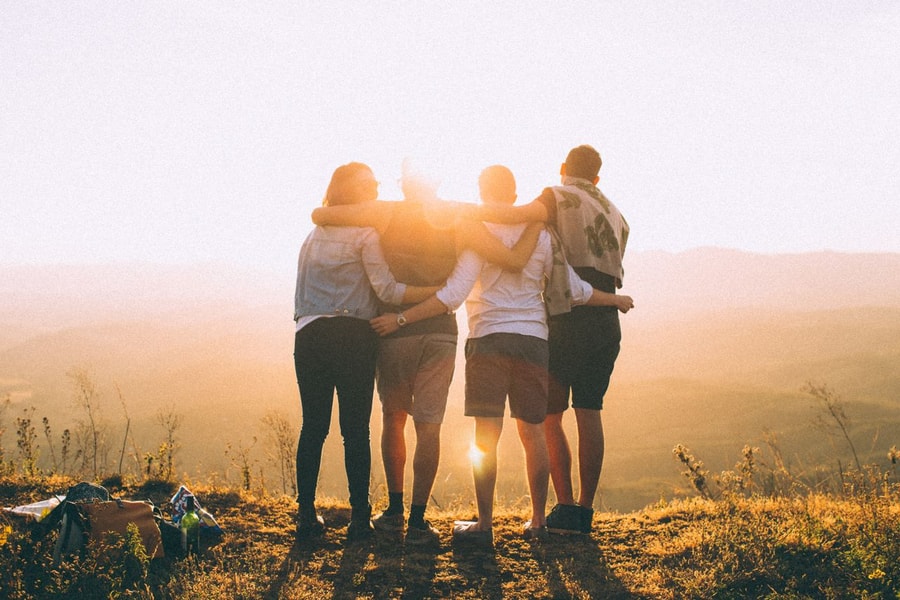 Become a Regular Somewhere
Choose places and activities where repeated contact happens naturally.
Take a weekly language class rather than a one-off lesson. Join the same yoga session for several weeks. Return to a climbing gym. Attend a recurring creative workshop. Volunteer. Join a running group. Play soccer. Visit the same market stall.
The activity itself is only part of the value.
What matters is that you begin to exist in other people's routines.
Community is rarely created through a single spectacular encounter. More often, it grows because you showed up again on Thursday.
Learn to Rest Without Feeling Guilty
Rest sounds simple until you travel. You finish work on Friday, notice there's a famous national park nearby, plan Saturday in the next town, and catch an early bus on Sunday. By Monday, you've had a great weekend and you're exhausted.
Even a travel day that looks relaxing can involve packing, waiting, navigating unfamiliar places, and dealing with delays.
That isn't rest. Sometimes, rest means doing absolutely nothing. Literally.
Give Yourself a Day With No Plans
Keep one day completely free. No itinerary, no early alarm, no long journey, no pressure to make the most of where you are.
Sleep in, cook something, read, go for a swim, or stay home. You don't need to justify the day by being productive.
If you've been traveling for months, you already have plenty of memories. Missing one more viewpoint won't ruin anything, and you'll enjoy exploring more when you have the energy for it.
Create a Boundary Between Work and Everywhere Else
When you can work anywhere, there's a risk that everywhere becomes a workplace.
Try creating physical and time-based cues that tell your brain when work is happening and when it has finished.
Use a particular desk or coworking space when possible. Avoid working from bed. Close the laptop completely when the workday ends. Disable nonessential notifications. If colleagues operate across time zones, agree on reasonable expectations for response times rather than remaining psychologically available around the clock.
You may be traveling without an office, but you still need a clear end to the working day.
Without one, work expands into every interesting place you visit.
Keep Relationships That Travel With You
Building local community matters, but you don't need to rebuild your entire social life in every destination.
Maintain the relationships with people who already know you.
Schedule calls with friends or family before you feel lonely. Keep in touch with other nomads you've connected with along the way. If you repeatedly return to certain places, nurture those relationships between visits.
A sustainable nomad life can include several layers of community: people back home, friendships made while traveling, professional peers, and local relationships that deepen because you stay somewhere long enough.
The goal isn't to know everyone.
It's to avoid feeling as though every meaningful conversation must begin from zero.
A More Sustainable Way to Live on the Road
There's no perfect schedule for a digital nomad. Some people are happiest staying several months in one place. Others like moving more often. You may love busy cities but need a quiet village now and then to recharge.
And what worked in your first six months may not suit you two years later. That's fine.
Instead of copying someone else's lifestyle, notice what makes your days good. Do you work better with a regular workspace? Do you feel happier near nature? Would you rather stay two months and take short weekend trips?
Maybe you miss cooking, having a gym nearby, or knowing where to go without opening your phone. These are useful things to know about yourself.
Try a Different Rhythm for Your Next Destination
If traveling has started to feel exhausting, make your next stop easier.
- Book somewhere you can stay for a few weeks. Avoid filling your calendar before you arrive.
- Week one: Get settled. Find a workspace, buy groceries, and explore your immediate neighborhood.
- Week two: Pick one activity you can attend regularly.
- Throughout your stay: Keep some evenings free. Choose a few things you're genuinely interested in instead of trying to see everything.
After a few weeks, notice how you feel. You may find that you enjoy traveling much more when you're not constantly preparing to leave.
You Don't Have to Keep Moving
Being a nomad doesn't mean you have to be somewhere new every week. You can stay in one place for a long time, build friendships, return to familiar destinations, or take a break from traveling altogether.
There's no competition to see who can visit the most countries.
Sometimes the best part of a journey is finding somewhere you don't want to leave just yet.
And that's perfectly fine.
Did you enjoy this post? Please support us by sharing it!