Canary Islands by Campervan: Which One to Choose?
Compare the Canary Islands by campervan, from Tenerife and Gran Canaria to Lanzarote and El Hierro. Find the best island for your road trip.
By @shakanomad - 20 Nov 2026
Picture: Ogy Kovachev

The Canary Islands offer some of Europe's most diverse landscapes for campervan travel. From volcanic deserts and Atlantic surf beaches to ancient forests and winding mountain roads, each island offers a different experience of life on the road.
But which Canary Island is best for a campervan adventure? The answer depends on your driving experience, favourite outdoor activities and preferred pace of travel.
Let's explore all eight islands, comparing their landscapes, road conditions, local experiences and practical considerations for life on wheels.
Comparing the Canary Islands for van life
| Island | Best for | Driving difficulty | Suggested stay |
|---|---|---|---|
| Lanzarote | Volcanoes, surfing and culture | Easy | 5–7 days |
| Fuerteventura | Beaches and water sports | Easy on main roads | 5–8 days |
| Tenerife | Diverse landscapes and adventures | Moderate | 7–10 days |
| Gran Canaria | Mountains, beaches and urban life | Moderate | 7–10 days |
| La Palma | Hiking and stargazing | Challenging | 5–7 days |
| La Gomera | Forests and slow travel | Challenging | 3–5 days |
| El Hierro | Diving, nature and tranquillity | Moderate to challenging | 3–5 days |
| La Graciosa | Cycling and escaping the crowds | Not suitable for campervan touring |
1–2 days |
The suggested durations are flexible, and driving difficulty depends on your vehicle, route and experience.
1. Lanzarote: Best for your first campervan adventure
Lanzarote is a fascinating introduction to campervan travel in the Canary Islands. Its volcanic landscapes, relatively straightforward main roads and manageable distances make it easy to explore without spending too much time behind the wheel.
Black lava fields surround whitewashed villages, vineyards grow in volcanic soil, and the Atlantic meets dramatic cliffs along the northern coast.
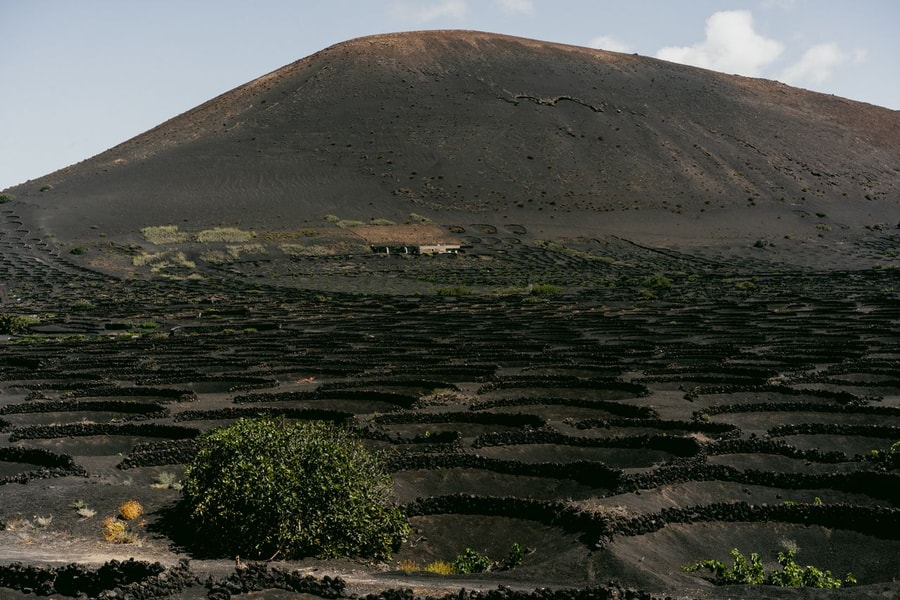 Photo by AlleksanaWhat to explore in Lanzarote
- Timanfaya National Park and its volcanic landscapes.
- Caleta de Famara, a village with a strong surf culture.
- La Geria, known for its distinctive volcanic vineyards.
- Teguise, with its historic streets and traditional architecture.
- Jameos del Agua and the artistic legacy of César Manrique.
Lanzarote is particularly appealing if you enjoy combining surfing, photography, local gastronomy and cultural experiences.
What to know before travelling by campervan
The island's exposed landscapes can be windy, and natural shade is limited in many areas. Protected volcanic terrain also means you should be particularly careful about where you drive, park and spend the night.
Stay on authorised roads and plan your overnight stops before exploring isolated areas.
Choose Lanzarote if: you want an accessible, visually distinctive road trip with a balance of nature, culture and outdoor activities.
2. Fuerteventura: Best for beaches, surfing and freedom
Fuerteventura feels spacious. Long stretches of coastline, arid mountains and open roads create a very different experience from the greener western islands.
Life here often revolves around the ocean. For surfers, kitesurfers and travellers who enjoy spending entire afternoons by the sea, Fuerteventura is an excellent choice.
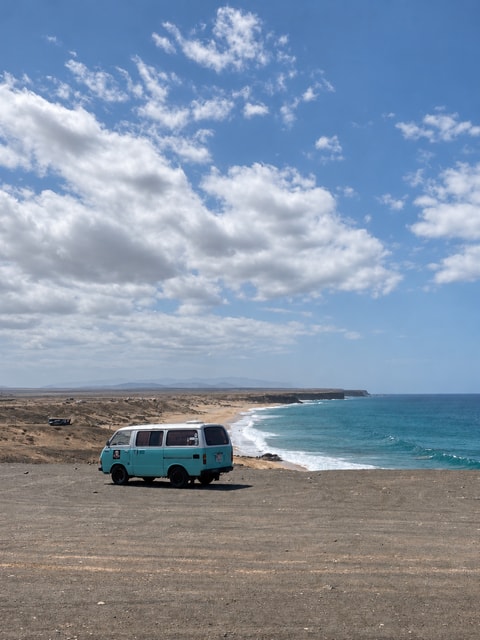 Photo by Maria Borisova
What to explore in Fuerteventura
- Corralejo and its surrounding dunes.
- Lajares, surf vibe village.
- El Cotillo, a coastal village with a relaxed atmosphere.
- Betancuria, the island's historic former capital.
- Sotavento, known for wind and water sports.
- Morro Jable and the Jandía Peninsula.
The island is also a great place to try a new water sport with a local instructor or discover the quieter inland villages beyond its beaches.
What to know before travelling by campervan
Strong winds, limited shade and remote stretches of coastline require some preparation. Bring enough drinking water, secure loose equipment and choose overnight stops protected from exposed conditions where possible.
Although the main roads are generally straightforward, some remote destinations involve unpaved or difficult access roads. Check your rental agreement before attempting them.
Choose Fuerteventura if: your ideal road trip revolves around the ocean, surfing, open landscapes and a relaxed coastal lifestyle.
3. Tenerife: Best for variety and outdoor adventures
If you want to experience as many different landscapes as possible on a single island, Tenerife is a strong choice.
Within one road trip, you can explore volcanic mountains, ancient forests, historic towns, black-sand beaches and sunny coastal villages.
The contrast between the island's northern and southern regions makes every stage of the journey feel different.
What to explore in Tenerife
- Teide National Park and its extraordinary volcanic scenery.
- Anaga Rural Park and its laurel forests.
- La Laguna, a UNESCO World Heritage city.
- El Médano, known for its wind sports.
- Garachico and the historic villages of the north.
- Puerto de la Cruz and the Orotava Valley.
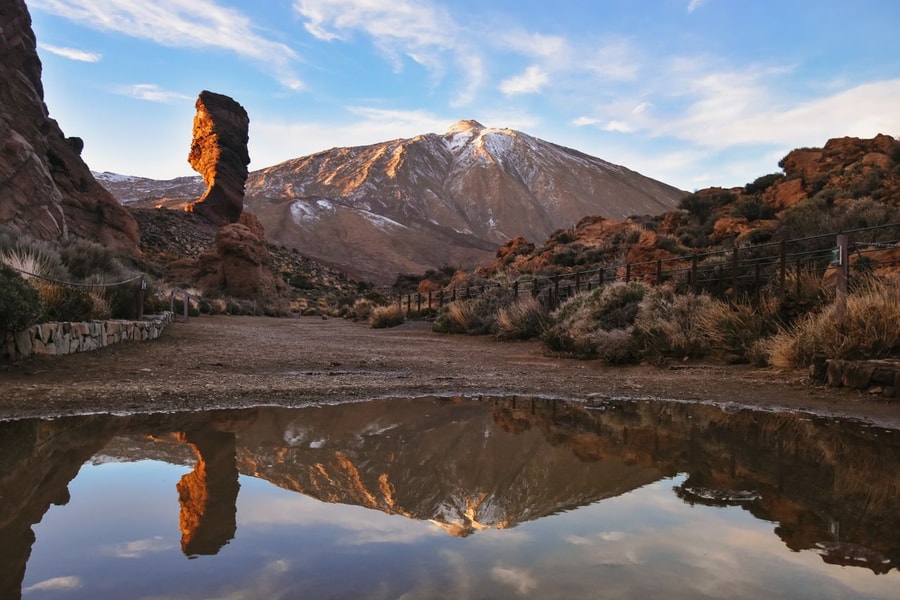 Photo by Maria Frost
Tenerife is ideal for combining hiking, surfing, stargazing, photography, gastronomy and cultural experiences.
What to know before travelling by campervan
Tenerife's mountain roads can be steep, narrow and winding, particularly in the Anaga and Teno areas.
Temperatures also change considerably with altitude. A sunny afternoon on the coast doesn't necessarily mean a warm evening in the mountains.
The island council manages designated camping areas, some of which accommodate campervans with prior authorisation. Check current availability, access and permits through Tenerife ON.
Choose Tenerife if: you enjoy an active holiday and want mountains, beaches, forests and local culture within one trip.
4. Gran Canaria: Best for combining van life and city life
Gran Canaria offers an interesting balance between outdoor exploration and everyday urban comforts.
Its mountainous interior, Atlantic coastline and lively capital make it especially appealing to travellers who want to spend time in nature without completely disconnecting from city life.
What to explore in Gran Canaria
- Las Palmas de Gran Canaria and Las Canteras beach.
- Agaete and the valleys of the northwest.
- Tejeda and the mountainous interior.
- Roque Nublo and the surrounding volcanic landscapes.
- Maspalomas and its protected dunes.
- Teror and other traditional inland towns.
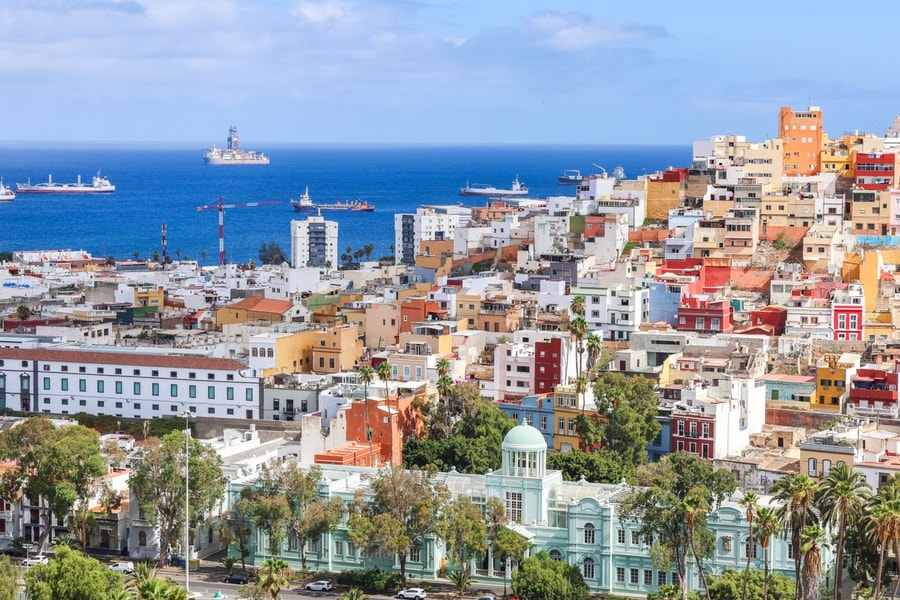 Photo by Canary Vista ESGran Canaria can be particularly attractive if you combine campervan travel with remote work. You can alternate mountain adventures and coastal days with cafés, coworking spaces and cultural activities in the capital.
What to know before travelling by campervan
Coastal highways are generally straightforward, but interior roads can be narrow, steep and full of bends.
A compact campervan may give you more flexibility than a large motorhome when visiting mountain villages. In urban areas, pay close attention to parking restrictions and vehicle height limits.
Check the Cabildo de Gran Canaria for current camping information and protected-area access requirements.
Choose Gran Canaria if: you want outdoor adventures, local food, cultural activities and the convenience of a city within the same journey.
5. La Palma: Best for hiking and stargazing
Known as La Isla Bonita, La Palma is a destination for travellers who appreciate dramatic natural landscapes and prefer spending their days outdoors.
Dense forests, volcanic trails and steep mountains make it one of the most rewarding islands for hiking.
What to explore in La Palma
- Caldera de Taburiente National Park.
- Roque de los Muchachos.
- The Ruta de los Volcanes hiking trail.
- Santa Cruz de La Palma and its historic architecture.
- Fuencaliente and its volcanic landscapes.
La Palma is also internationally recognised for its night skies, making astronomy and stargazing memorable additions to a campervan trip.
What to know before travelling by campervan
The mountainous terrain means even short distances can take longer than expected. Plan shorter driving days, check weather conditions and avoid relying entirely on spontaneous overnight stops.
Confirm access to volcanic areas and hiking trails before setting off.
Choose La Palma if: hiking, volcanic landscapes, photography and clear night skies are more important to you than beach hopping.
6. La Gomera: Best for slow travel and nature
La Gomera encourages you to slow down.
Its deep ravines, terraced hillsides, small villages and mist-covered forests create an atmosphere that feels very different from the larger islands.
Rather than trying to see everything, this is an island where staying longer in one place can become part of the adventure.
What to explore in La Gomera
- Garajonay National Park and its ancient laurel forest.
- Valle Gran Rey and its coastal villages.
- Agulo and its surrounding viewpoints.
- Hermigua and its agricultural landscapes.
- San Sebastián de La Gomera.
Take time to discover local traditions, walk through historic villages and learn about Silbo Gomero, the island's traditional whistled language.
What to know before travelling by campervan
La Gomera's mountainous geography means frequent bends, steep gradients and limited opportunities to turn larger vehicles around.
A compact campervan is generally a more practical choice. Confirm overnight locations, fuel stops and vehicle services before leaving the main towns.
Choose La Gomera if: you enjoy hiking, meaningful cultural encounters and travelling without a demanding itinerary.
7. El Hierro: Best for disconnecting and discovering nature
El Hierro is ideal for travellers who want to step away from busy tourist destinations.
Its volcanic coastline, natural swimming pools, small villages and dramatic cliffs offer a quieter and more intimate road trip experience.
What to explore in El Hierro
- La Restinga and the Mar de las Calmas Marine Reserve.
- El Golfo Valley.
- Charco Azul natural swimming pools.
- El Sabinar and its wind-shaped juniper trees.
- Mirador de la Peña.
El Hierro is particularly attractive for scuba diving, freediving, nature photography and travellers who appreciate simplicity.
What to know before travelling by campervan
Plan your water, fuel, groceries and overnight stops in advance. The island's size doesn't eliminate the challenges of mountain driving or limited services in remote areas.
If you're bringing a campervan from another island, confirm ferry connections and your vehicle's eligibility before travelling.
Choose El Hierro if: you want tranquillity, marine adventures and a slower, more disconnected experience.
8. La Graciosa: Leave the campervan behind
La Graciosa deserves a place in any comparison of the Canary Islands, even though it isn't a conventional campervan destination.
The small island north of Lanzarote has unpaved streets, protected landscapes and restricted motor vehicle access.
The best way to experience La Graciosa during a van life holiday is to leave your campervan in an authorised location on Lanzarote and take the passenger ferry from Órzola.
Once there, explore on foot, rent a bicycle or arrange an authorised local transport service.
Choose La Graciosa if: you want a break from driving and a day or two of beaches, cycling and simple island life.
Which Canary Island is best for campervan travel in winter?
Southern Tenerife and southern Gran Canaria are particularly attractive for travellers seeking mild winter conditions, outdoor activities and access to everyday services.
Lanzarote and Fuerteventura are excellent alternatives if you prefer drier landscapes, surfing and water sports, although winds can affect how comfortable life outside the van feels.
La Palma and La Gomera offer beautiful winter hiking opportunities, but higher elevations and exposed mountain areas can be considerably cooler.
Winter in the Canary Islands is generally mild along the coast, but always check local weather forecasts before travelling into the mountains or planning ocean activities.
Can you travel between the Canary Islands by campervan?
Yes. Vehicle ferries connect several of the Canary Islands, making it possible to explore more than one island during the same campervan holiday.
Popular island combinations include:
- Lanzarote and Fuerteventura: volcanoes, surfing and Atlantic beaches.
- Tenerife and Gran Canaria: diverse landscapes, mountains and urban culture.
- Tenerife and La Gomera: hiking, forests and slow travel.
- Tenerife and El Hierro: outdoor adventures and a quieter island escape.
You can also bring your own campervan from mainland Spain using ferry services departing from Cádiz or Huelva.
Before booking, check vehicle dimensions, ferry schedules, rental permissions and insurance coverage.
Current routes can be checked through Fred. Olsen Express and Naviera Armas.
If you only have one week, consider exploring one island properly instead of trying to fit several into your route.
Where can you sleep in a campervan in the Canary Islands?
Sleeping in a campervan requires planning. Parking and camping are not automatically treated as the same activity, and local restrictions differ between municipalities and protected areas.
Look for:
- Campsites that accept campervans.
- Designated motorhome and overnight areas.
- Authorised camping zones.
- Legal parking locations where overnight stays are permitted under applicable rules.
Avoid assuming that a beachfront car park, forest clearing or location recommended by another traveller is automatically suitable for an overnight stay.
The Canary Islands published a new regional regulation for outdoor tourist accommodation on 9 November 2026. Decree 170/2026 is due to enter into force three months after publication, introducing a specific regulatory framework for campsites and motorhome overnight areas.
Check the latest official Canary Islands legislation and municipal requirements before travelling.
For more information, read our guide to where you can sleep in a campervan in Spain.
How to travel responsibly by campervan
Van life offers flexibility, but it also comes with responsibilities, especially on islands where natural resources and public spaces are limited.
- Use designated facilities to dispose of wastewater and toilet waste.
- Stay on authorised roads and access tracks.
- Respect protected landscapes and wildlife.
- Avoid occupying residential parking spaces for extended periods.
- Keep noise to a minimum.
- Support local markets, independent businesses and community-led experiences.
- Leave every place as you found it.
You don't need to sleep directly beside the ocean to enjoy a beautiful morning at the beach. Sometimes, finding a suitable overnight stop nearby is the most responsible and comfortable choice.
Which Canary Island is best for van life?
Lanzarote is our pick for a first campervan holiday, Tenerife for landscape diversity, Gran Canaria for combining outdoor adventures with urban life, and Fuerteventura for surfing and beach-oriented travel.
La Palma stands out for hiking and stargazing, La Gomera for slow travel and cultural discovery, and El Hierro for diving and tranquillity. La Graciosa, meanwhile, offers a refreshing escape from life behind the wheel.
Ultimately, the best island is the one that matches your rhythm of travel.
Some days might begin with a surf lesson, others with a mountain hike or a conversation over coffee in a village you hadn't planned to visit.
The freedom of travelling by campervan isn't about how many places you can visit. It's about having enough time to experience the places you discover.
Did you enjoy this post? Please support us by sharing it!